
International deals without losing money or control
Structuring and supporting trade between Turkey, CIS and the Middle East.
ORBIS GLOBAL TRADE helps companies safely build supply routes, verify partners and control deal execution. We do not sell goods. We create a structure where money is protected.
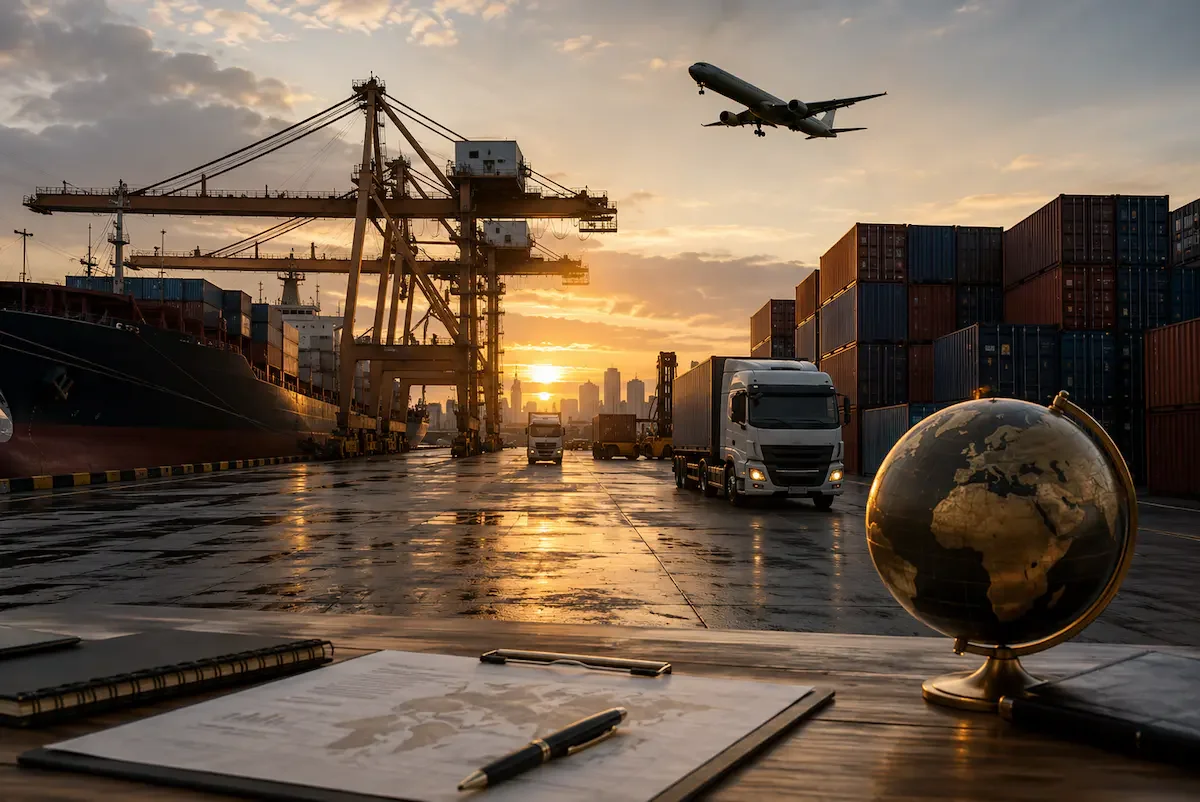
ORBIS GLOBAL TRADE is not a broker or trader
ORBIS GLOBAL TRADE does not
- sell goods
- work "on commission without responsibility"
- act as an intermediary
ORBIS GLOBAL TRADE is
- Deal architect
- Risk control system
- Deal coordinator
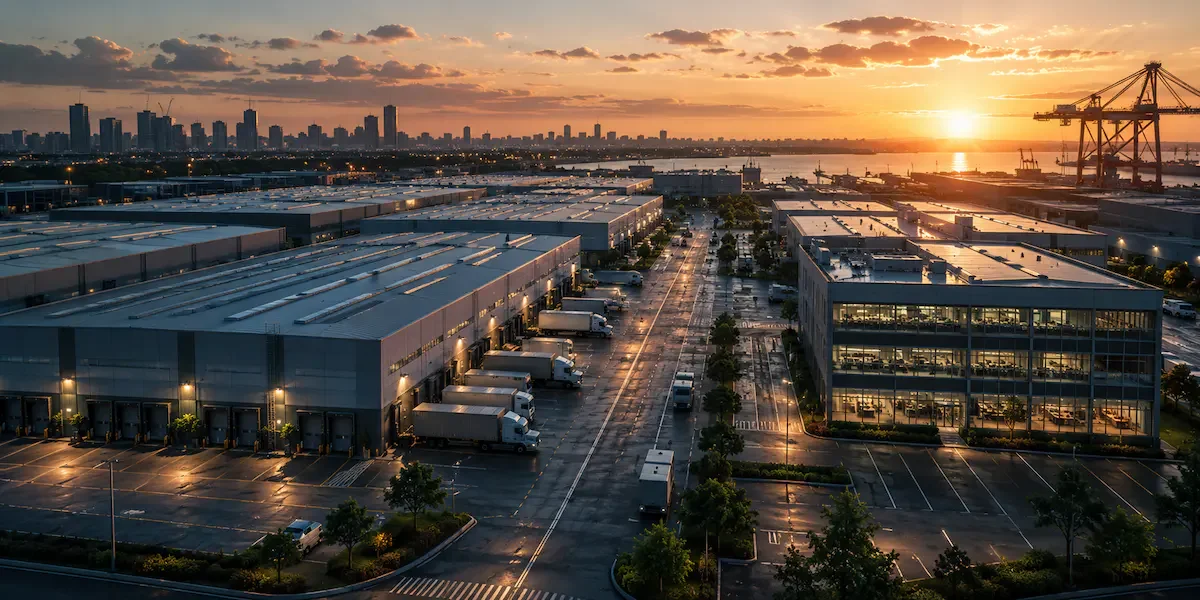 Factories. Contracts. Control.
 Deal as a managed system
Core services
Deal structuring
- payment model
- contract terms
- protection of parties' interests
- risk allocation
Supplier verification
- factory verification
- export readiness
- documents
- reputation
Inspection coordination
- international SGS inspection
- international Bureau Veritas inspection
- international Intertek inspection
Execution coordination
- logistics
- shipment control
- stakeholder communication
Ongoing trade support
- ongoing support
- regular deliveries
- process control
Trade circle
- verified producers
- reliable buyers
- inspection
Unified ORBIS GLOBAL TRADE client route
Every case goes through a clear system. We do not start with action. We start with diagnostics.
One client can move through several routes inside ORBIS GLOBAL TRADE
A client may come with a residence question and later use medical coordination or business support. A medical case can also lead to family relocation, company setup or long-term integration in Turkey.
Relocation → Medicine → Business
Relocation becomes the foundation for health, family and entrepreneurship.
Medicine → Relocation → Trade
A medical route can become the start of long-term integration in Turkey.
Business → Relocation → Family support
A business request often expands into family, status and life in a new country.
Trade — Frequently Asked Questions
Everything you need to know about ORBIS GLOBAL TRADE trade services — in 20 questions and answers.
01 Is ORBIS a broker or an intermediary?
No, ORBIS GLOBAL TRADE is not a broker, trader, or intermediary. We do not sell goods and do not work "on commission without responsibility". ORBIS is the architect of the deal: we structure the process, control the risks, and ensure security. We manage the deal system rather than trade goods.
02 What is deal structuring?
Deal structuring is the creation of a system in which the interests of all parties are protected. ORBIS develops: a payment model (safe for both the buyer and the supplier), contract terms, risk allocation, and a performance monitoring mechanism. A deal is not just a contact — it is a managed system.
03 How do you verify suppliers?
Supplier verification (due diligence) includes: verifying the company (registration, licenses), inspecting the factory (production capacity, quality), analyzing export readiness (export experience, documentation), and assessing reputation. We conduct on-site inspections, request documents, and analyze track records.
04 How do I protect an advance payment in an international deal?
ORBIS designs a payment structure that minimizes risks: secure prepayment schemes, letters of credit, milestone-based payments tied to stages of performance. We do not hold the client's money — we create a structure in which funds are protected by the contract and by performance monitoring.
05 What is an SGS inspection?
SGS (Société Générale de Surveillance) is an international company that performs independent inspections of goods quality and quantity. SGS verifies that goods match the contract specifications, conducts pre-shipment inspections, and performs quality control. ORBIS coordinates the SGS inspection at every stage.
06 How does SGS differ from Bureau Veritas and Intertek?
SGS, Bureau Veritas, and Intertek are the three largest international inspection companies. SGS is strong in agriculture and industry, Bureau Veritas in marine inspection and certification, and Intertek in consumer goods and electronics. ORBIS selects the optimal inspector for the type of goods.
07 How do I sign a contract with a Turkish factory?
Signing a contract involves: (1) verifying the supplier, (2) agreeing commercial terms (price, volume, timelines), (3) choosing Incoterms (FOB, CIF, EXW, DAP), (4) defining payment terms, (5) signing the contract. ORBIS supports every stage, ensuring the legal integrity of the deal.
08 What documents are required to export from Turkey?
The core documents are: a commercial invoice, a packing list, a bill of lading (Bill of Lading) or air waybill, a certificate of origin (Certificate of Origin), an export declaration, and quality certificates (as required). ORBIS monitors the completeness and accuracy of all documents.
09 How much does supplier verification in Turkey cost?
The cost depends on the scope of the verification: basic company verification, an extended check with a factory visit, or full due diligence with an inspection. ORBIS offers a transparent pricing structure after a case assessment.
10 What is trade structuring?
Trade structuring (deal structuring) is the creation of a system in which the interests of all parties are protected: the payment model, contract terms, risk allocation, and a performance monitoring mechanism. ORBIS develops a structure for each specific case.
11 Can I get a letter of credit for a deal with Turkey?
Yes, a letter of credit (Letter of Credit) is one of the safest payment instruments in international trade. The buyer's bank opens a letter of credit in favor of the supplier, and payment is made upon presentation of the documents. ORBIS helps with bank selection and arranging the letter of credit.
12 How do I monitor a shipment from Turkey?
Shipment monitoring includes: logistics coordination, document verification (invoices, packing lists, certificates), and interaction among all parties (supplier, buyer, forwarder, customs). ORBIS monitors the process so that goods are shipped on time and in accordance with the contract.
13 What does trade support include?
Trade support includes: (1) supplier verification, (2) deal structuring, (3) inspection coordination (SGS/BV/Intertek), (4) contract performance monitoring, (5) logistics coordination, (6) resolution of operational issues. A full cycle of deal support.
14 How do I organize regular shipments from Turkey?
ORBIS provides ongoing trade support for companies with regular shipments. This includes: process management, quality control, logistics coordination, and resolution of operational issues. We become your external deal control department.
15 What is the ORBIS trade circle?
The ORBIS trade circle is a closed network of verified suppliers and buyers with whom we work on an ongoing basis. All circle members undergo verification. Joining the trade circle is by recommendation or after successful deals.
16 Which industries do you support?
ORBIS works across various industries: textiles and apparel, food products, furniture and construction materials, cosmetics, and industrial equipment. We adapt our approach to the specifics of each industry: certification, logistics, and quality control requirements.
17 What are the risks of international deals with Turkey?
The main risks: (1) a dishonest supplier, (2) goods failing to meet quality standards, (3) shipment delays, (4) documentation problems, (5) currency risks, (6) customs risks. ORBIS minimizes each risk through supplier verification, inspections, proper contract structure, and performance monitoring.
18 What should I do if a supplier in Turkey fails to perform the contract?
In the event of a breach, ORBIS coordinates the response: documenting the violations (inspections, documents), negotiating with the supplier, applying contractual penalties, and finding alternative solutions. We manage the process of protecting the buyer's interests.
19 What taxes apply when importing from Turkey to Russia?
For imports from Turkey to Russia, the following apply: import duty (depending on the HS code, from 0% to 25%), VAT (20%), and customs fees. Uniform tariffs apply across the EAEU countries. ORBIS assists with tax calculations and customs clearance.
20 How does ORBIS structure an international deal?
The structuring process: (1) analyzing the parties' needs, (2) selecting the optimal payment model, (3) developing contract terms, (4) defining monitoring mechanisms, (5) alignment with both parties, (6) supporting performance. Every stage is documented and controlled.
Founder and strategic coordinator
ORBIS GLOBAL TRADE was created as a system for clients who need not just to “solve an issue”, but to understand the entire process and control every stage. We do not work through promises. We work through structure, analysis and responsibility.
“I do not sell services. I create a system where the client understands the route.”
 Honesty without promises Work only with specialized partners Confidentiality and premium communication Systematic approach instead of chaotic decisions


